Heart surgeon
Best Heart surgeon in Thane
Why Is Heart Surgery Performed?
Heart surgery is recommended when serious cardiac conditions cannot be controlled through medication, lifestyle changes, or non-invasive treatments alone. It is often essential to restore proper blood flow, repair or replace damaged heart valves, correct congenital heart defects, and improve overall heart performance.
When coronary arteries become blocked,Heart Valves Malfunction, or heart muscles weaken, the heart struggles to pump blood efficiently. In such cases, surgical intervention becomes critical.In emergency situations, heart surgery can be life-saving.
Under the expertise of the Best Heart Surgeon in Thane advanced cardiac surgeries are performed to relieve symptoms such as chest pain and breathlessness, prevent major complications like heart attacks or heart failure, enhance quality of life, and significantly improve long-term survival.
What Is Valve Replacement Surgery?
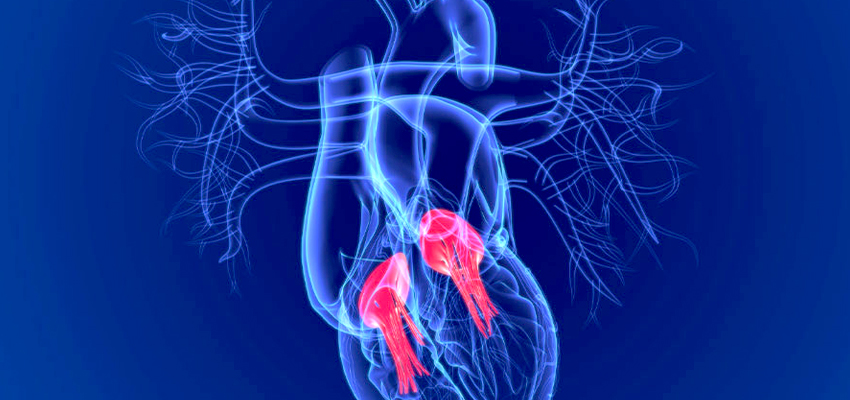
Valve replacement surgery is a specialized cardiac procedure used to replace a damaged or diseased heart valve with a healthy artificial valve. Heart Valves regulate blood flow through the Heart Chambers.When a valve becomes narrowed (stenosis) or starts leaking (regurgitation), the heart is forced to work harder,leading to fatigue, shortness of breath, swelling, and eventually heart failure.
- During valve replacement surgery, the faulty valve is removed and replaced with
- Mechanical valves, made from durable medical-grade materials Biological valves, derived from animal or human tissue.
- Performed by an experienced Best Heart Valve Surgeon in Thane this surgery restores normal blood circulation, reduces strain on the heart, prevents long-term damage, and allows patients to return to an active, healthier lifestyle.
What Are Angiography and Angioplasty?
Angiography and angioplasty are advanced cardiac procedures used to diagnose and treat blockages in blood vessels, particularly the coronary arteries supplying the heart.
Angiography – Heart Blockage Diagnosis
Angiography is a diagnostic procedure used to identify blockages or narrowing in blood vessels. A contrast dye is injected into the arteries, and X-ray imaging creates a detailed visual map of blood flow.
This test helps detect
Coronary Artery Disease
- Severity and Location of arterial blockages
- Aneurysms or vascular abnormalities
Simply put, angiography shows exactly where the problem is and how serious it is, enabling precise treatment planning by a skilled Best heart surgeon in Thane.
Angioplasty – Minimally Invasive Treatment for Blocked Arteries
Angioplasty is a minimally invasive treatment often performed immediately after angiography if a blockage is found. A thin catheter with a Small Balloon is guided to the narrowed artery.The balloon is inflated to widen the vessel and restore healthy blood flow.
In many cases, a stent (a small metal mesh tube) is placed to keep the Artery open permanently.
Angioplasty helps
- Relieve chest pain (angina)
- Improve Blood Circulation
- Reduce the risk of heart attack
- Avoid open-heart surgery in many patients
- When performed by the Best Heart Surgeon in Thane angioplasty offers excellent outcomes, shorter hospital stays, faster recovery, and a safer alternative to major surgery.
Pacemaker implantation
When your heart beats too slowly or irregularly, a pacemaker can help bring it back in rhythm.patients receive advanced pacemaker implantation rocedures that help regulate heartbeat and maintain consistent cardiac function. This small device continuously monitors your heart and provides gentle electrical impulses to keep it beating properly.
A pacemaker is typically recommended for those who experience dizziness, fainting spells, or fatigue due to bradycardia (slow heart rate).It’s implanted just below the collarbone through a minor surgery, and most patients resume normal activities within days. With modern devices, pacemaker therapy is safe, effective, and highly customizable to each patient’s needs.